

Carpal tunnel syndrome surgery is a surgical procedure performed to reduce pressure on the nerve compressed at the wrist. The main goal of this surgery is to lower the pressure inside the carpal tunnel in the wrist and create a space where the nerve can function more comfortably. In carpal tunnel syndrome, the decision for surgery is made not only according to the diagnosis but also by evaluating the degree of nerve compression, EMG results, hand strength, response to previous treatments and the functional loss experienced in daily life. Therefore, the surgical process should not be planned as a standard procedure but according to the person’s hand use needs and the level of nerve involvement. The aim of the surgery is to help preserve the hand’s ability to grip, hold and be used in daily tasks.
Carpal tunnel surgery is the procedure of releasing the narrow canal through which the nerve passes at the wrist and reducing the pressure on the nerve. The carpal tunnel is an anatomical canal located on the inner side of the wrist, through which the nerve passes along with the tendons. When pressure increases inside this canal, the nerve may be affected and functional loss may develop in the hand. During surgery, the connective tissue forming the upper part of the carpal tunnel is carefully cut to widen the canal. In this way, the area where the nerve is compressed is relieved and a suitable environment is created for the nerve to recover.
This procedure becomes an option when carpal tunnel syndrome is advanced or when sufficient improvement cannot be achieved with non-surgical methods. Carpal tunnel surgery aims to reduce the pressure around the nerve without directly damaging it. The surgery can be performed with an open or endoscopic method. The preferred method is determined according to the degree of nerve compression, wrist structure, the surgeon’s evaluation and the person’s general condition. The aim is the same in both methods: to relieve the area through which the nerve passes and to support the preservation of hand function.
Carpal tunnel syndrome treatment does not always begin with surgery. In mild and moderate cases, methods such as wrist splint use, medication, injection, activity modification or physical therapy may be considered. However, if the pressure on the nerve has progressed, severe involvement is detected on EMG, hand strength has decreased or sufficient benefit cannot be achieved from non-surgical methods, surgery may become an option. The decision for surgery should not be made only based on pain or numbness, but according to how much the nerve is structurally and functionally affected.
The main conditions affecting the decision for surgery are as follows:
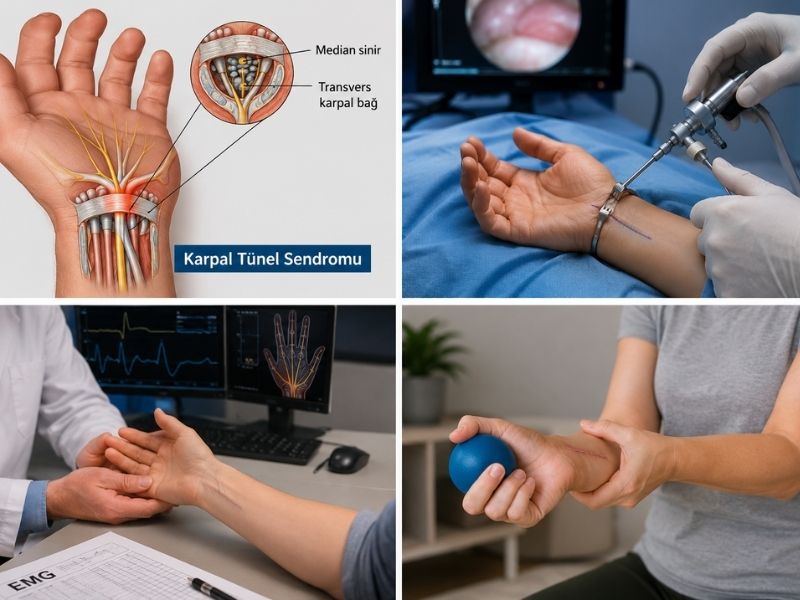
At this point, what matters is that surgery can be planned not only to reduce symptoms but also to prevent the nerve from remaining under further pressure. Especially in long-term and advanced nerve compression, if surgery is delayed, the nerve recovery process may take longer. Therefore, the necessity of surgery should be determined together with a specialist orthopedic evaluation and the required tests.
Before carpal tunnel surgery, the aim is to clarify the degree of nerve compression and suitability for surgery. In this process, not only the wrist examination is performed; the person’s age, occupation, hand use pattern, previous treatments, accompanying diseases and expectations are also evaluated. Especially if there are conditions such as diabetes, thyroid diseases, rheumatic diseases or previous wrist trauma, the surgical plan is shaped accordingly. A proper preoperative evaluation is important both for selecting the surgical method to be applied and for planning the recovery process realistically.
Preoperative evaluation is generally performed through the following steps:
As a result of this evaluation, whether surgery is necessary, which method will be used and how the postoperative process will progress are planned. Applying the same approach to every patient is not appropriate because the degree of nerve compression and the hand use need may vary from person to person.
When planning carpal tunnel surgery, the degree of nerve involvement and how much hand function has deteriorated are evaluated first. Wrist nerve compression surgery is performed not only to open the narrow area in the wrist but also to help the nerve function more healthily in the long term. Therefore, during the planning stage, the surgical method, type of anesthesia, incision area, suture care, return-to-work process and postoperative hand use limits are considered together. The person’s occupation and how intensively they use their hand in daily life also play an important role in this planning.
During surgical planning, the location and degree of pressure on the median nerve are considered. Protecting this nerve during surgery is the main priority. While relieving the area through which the nerve passes, the surgeon takes care not to damage the surrounding tendons, vessels and nerve structures. The open method allows direct visualization of the surgical area, while the endoscopic method can be performed with smaller incisions. However, which method is more suitable should be evaluated separately for each patient. The aim here is not only to make a small incision but to provide safe and effective nerve decompression.
During carpal tunnel syndrome surgery, the carpal tunnel is reached through the part of the wrist close to the palm. The surgeon carefully releases the connective tissue forming the upper part of the carpal tunnel. With the release of this connective tissue, the pressure inside the canal decreases and the nerve is allowed to remain in a more comfortable space. The nerve is not directly cut during the procedure; the aim is to eliminate the pressure causing compression on the nerve. Therefore, the surgery is performed with careful tissue dissection and nerve protection principles.
The surgery may be performed under local, regional or, in some cases, general anesthesia. The choice of anesthesia is determined according to the person’s general health condition, surgical method and doctor’s evaluation. After the procedure is completed, the incision is closed, dressing is applied and the wrist is protected. In the early postoperative period, the hand should be kept away from weight-bearing movements. Finger movements can usually be started in a controlled manner in the early period; however, loading the palm, strong gripping and forceful wrist movements require a certain recovery period.
Open carpal tunnel surgery is based on reaching the carpal tunnel through a small incision made in the area between the palm and the wrist. In this method, the surgeon directly visualizes and releases the connective tissue causing compression. An important feature of the open method is that it allows the surgical area to be evaluated directly. The open method may be preferred especially in people with advanced nerve compression, previous surgery, anatomical differences or additional tissue problems.
In the open method, the incision size may vary according to the person and surgical requirements. After the procedure, sensitivity in the palm area, tightness along the suture line and discomfort during gripping may continue for a while. These complaints usually decrease with the recovery process. After open surgery, suture care, dressing follow-up and avoiding strain on the hand are important. The time to return to work varies according to the person’s job and intensity of hand use. Return may be earlier in desk jobs, while a more controlled process may be required in jobs involving heavy hand strength.
Endoscopic carpal tunnel surgery is a surgical method performed with the help of a camera system through a small incision or incisions. In this method, the structures inside the carpal tunnel are visualized and the connective tissue causing pressure on the nerve is released with special surgical instruments. The aim of the endoscopic method is to perform nerve decompression with a more limited incision. However, this method cannot be said to be suitable for every patient; the degree of nerve compression, wrist anatomy, previous surgeries and the surgeon’s evaluation are determining factors in the choice of method.
The comparison of open and endoscopic methods can be summarized as follows:
The main goal of both methods is the same: to reduce the pressure on the nerve and support the preservation of hand function.
The duration of carpal tunnel surgery may vary depending on the method used, wrist structure, degree of nerve compression and additional surgical requirements. Although it is generally a short procedure, it is not correct to evaluate the surgery only based on its duration. The main aim of the surgical procedure is to safely reduce pressure on the nerve while preventing damage to the surrounding tissues and structures. Therefore, the procedure time may not be the same for every patient. Before surgery, the person is informed about how the process will proceed, the anesthesia method, postoperative care and follow-up plan.
The day of surgery generally consists of preparation, anesthesia, the surgical procedure, dressing and a short follow-up period. Some people may be discharged on the same day, while the follow-up plan may vary according to the person’s general health condition. The wrist is protected with a bandage after surgery and the person is informed about how to use the hand after returning home. Keeping the hand above heart level in the first few days may help reduce swelling. However, each practice should be arranged according to the recommendations of the surgeon performing the procedure.
In the first days after carpal tunnel surgery, the main aim is to protect the surgical area, reduce swelling and allow the hand to move in a controlled manner. In the early period, the dressing should be kept dry and clean, no load should be placed on the wrist and movements that strain the palm should be avoided. Keeping the fingers completely immobile is generally not desired; because controlled finger movements may support circulation and help reduce stiffness. However, these movements should not be forceful.
Things to pay attention to in the first days include:
During this process, mild pain, tightness, swelling or tenderness in the incision area may occur. The course of these complaints varies from person to person. A doctor should be consulted in cases such as increasing pain, significant discharge from the dressing, bad odor, fever, bruising in the hand or unexpected loss of strength.
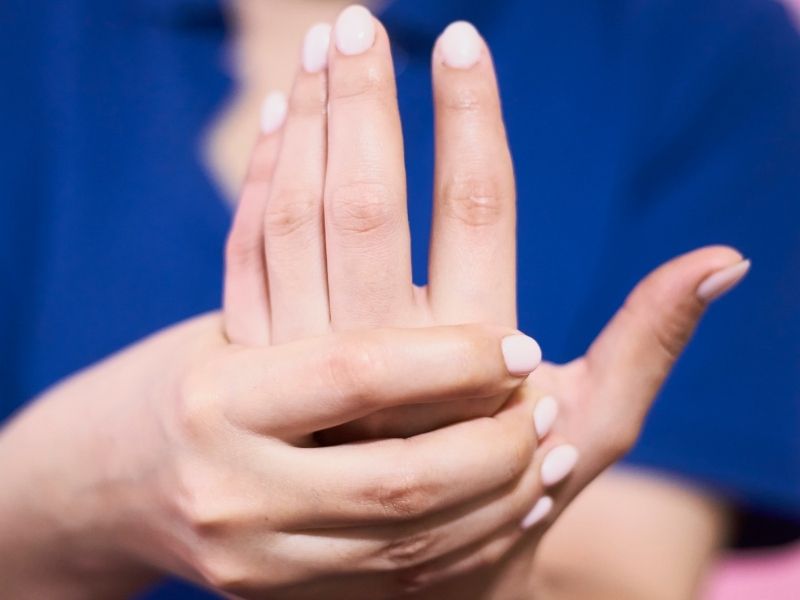
Recovery after carpal tunnel surgery varies according to the preoperative degree of nerve compression, how long the nerve has been under pressure, the person’s age, additional diseases and how intensively the hand is used. While some people may feel relief in the early period, nerve recovery may take longer in people with long-term and advanced nerve involvement. Therefore, it is important to be patient during the postoperative recovery process and to attend follow-up examinations regularly.
Recovery is not completed only when the sutures are removed. Relaxation of wrist movements, reduction of palm sensitivity, recovery of grip strength and safe return to daily tasks occur over time. In the first weeks, the hand can be used mostly for light activities.
Activities such as strong gripping movements, prolonged keyboard and mouse use, carrying heavy loads or working with vibrating devices should be performed carefully according to the recovery process. The time to return to work also varies according to the person’s occupation. People working at a desk may return earlier, while longer restrictions may be required in jobs involving hand strength.
Hand use is increased gradually after carpal tunnel surgery. In the first days, finger movements can be performed in a controlled manner, but movements that place load on the palm are avoided. Light personal care tasks may be performed within the limits recommended by the doctor. Straining the wrist, strong squeezing movements, carrying heavy bags or prolonged repetitive hand movements may not be suitable in the early period. The aim in this process is both to protect the surgical area and to prevent the hand from remaining completely immobile.
The time needed to return to normal hand use differs from person to person. Suture removal, the condition of the wound line, pain level and grip strength affect this process. While some people can perform light daily tasks in a short time, palm sensitivity and loss of strength may last longer in others. Especially in occupational groups that use their hands intensively, the return-to-work plan should be made carefully. Acting hastily after surgery may increase sensitivity at the suture line or make healing more difficult. Therefore, hand use should be increased gradually according to specialist recommendations.
Suture and wound care after carpal tunnel surgery is important for reducing the risk of infection and ensuring that healing progresses regularly. The surgical area should be kept dry and clean. When the dressing will be changed, when the hand can be washed and when the sutures will be removed are determined according to the recommendations of the surgeon. It may not be appropriate for the person to open the suture line by themselves, change the dressing unnecessarily often or use creams.
Mild tightness, tenderness and discomfort with touch may occur at the wound site. This is usually part of the healing process. However, increasing redness, severe pain, discharge, bad odor, fever or marked swelling in the hand should be carefully evaluated. Even after the sutures are removed, the palm area may remain sensitive for a while. During this period, avoiding direct pressure on hard surfaces, heavy gripping movements and repetitive forceful wrist use may support the recovery process.
Intensive physical therapy may not be required in every patient after carpal tunnel surgery; however, an exercise program may be recommended in some people to regulate wrist movements, increase grip strength and reduce palm sensitivity. The need for physical therapy is determined according to the degree of nerve compression before surgery, postoperative hand movements, the person’s occupation and recovery speed. Especially in people with long-term nerve involvement, muscle weakness or wrist stiffness, the rehabilitation process may become more important.
Exercises may generally include finger movements, tendon gliding exercises, wrist movements and strengthening practices in the later period. However, when these exercises will begin and at what intensity they will be performed varies from person to person. Performing excessively forceful exercises in the early period may increase sensitivity at the wound line. In the later period, insufficient hand use may cause stiffness and weakness. Therefore, the physical therapy and exercise plan should be arranged according to postoperative follow-up findings.
Things to consider after carpal tunnel surgery are important for the recovery process to progress regularly and for hand function to be regained safely. After surgery, the person should not avoid using the hand completely but should move it in a controlled manner within the recommended limits.
However, movements that place load on the palm, strong gripping, heavy lifting and repetitive forceful wrist movements may not be suitable in the early period. Progressing in a controlled manner during this process supports both wound healing and nerve recovery.

These recommendations are for general informational purposes. Different instructions may be given according to the person’s surgical method, suture condition and recovery speed.
For people researching Izmir carpal tunnel surgery, the correct surgical decision depends not only on the surgical technique but also on the preoperative evaluation and postoperative follow-up process. In carpal tunnel syndrome, some people may benefit from non-surgical methods, while in others, surgical treatment may be more appropriate to prevent nerve compression from progressing. In order to make this distinction, examination, EMG evaluation, hand strength analysis and the person’s daily life needs should be assessed together.
Specialist evaluation is also important in choosing the open or endoscopic method. Every small incision does not necessarily mean a more suitable method; the main goal is to safely relieve the nerve. In addition, return to work, hand use, suture care and exercise plan after surgery should also be arranged individually. Proper surgical planning, specialist orthopedic evaluation and a personalized recovery process may help the surgery progress safely and preserve hand function.
Does Numbness Go Away Immediately After Carpal Tunnel Surgery?
The decrease in numbness depends on how much the nerve was affected before surgery. While some people may experience early relief, nerve recovery may take longer in others.
When Does the Hand Return to Normal After Carpal Tunnel Surgery?
The time it takes for the hand to return to normal varies depending on the surgical method, suture healing, degree of nerve involvement and how intensively the person uses their hand. Light tasks may be done earlier, while activities requiring strong gripping may require a longer period.
Can Carpal Tunnel Surgery Be Performed Under Local Anesthesia?
Carpal tunnel surgery can be performed under local anesthesia in some people. The choice of anesthesia is determined according to the person’s general health condition, surgical method and doctor’s evaluation.
Does Carpal Tunnel Surgery Leave a Scar?
A scar may remain in the incision area after surgery; however, the visibility of the scar varies depending on skin structure, incision site, wound care and the healing process. Over time, the appearance of the scar may generally become less noticeable.
Can Nerve Compression Recur After Carpal Tunnel Surgery?
Recurrent nerve compression may occur, although it is rare. Scar tissue, continued forceful hand use or underlying diseases may affect this condition.
Can You Drive After Carpal Tunnel Surgery?
Driving should be planned according to hand grip strength, pain level, the condition of the suture line and the physician’s recommendation. In the early period, sudden steering movements and hand use that strains the wrist may not be suitable.
When Can You Return to Work After Carpal Tunnel Surgery?
The time to return to work varies depending on the type of job. Return to desk work may be earlier, while jobs requiring hand strength, heavy lifting or repetitive wrist movements may require a longer waiting period.
Is Carpal Tunnel Syndrome Surgery Risky?
Carpal tunnel syndrome surgery is generally a commonly performed wrist surgery; however, as with any surgery, there may be risks such as infection, bleeding, wound sensitivity or healing problems around the nerve. Risks vary depending on the person’s general health condition, the degree of nerve compression and the postoperative care process.