Shoulder arthroscopy is one of the minimally invasive surgical methods in which problems inside the shoulder joint are evaluated with the help of a camera and special surgical instruments inserted through small incisions. Arthroscopic methods may be considered in conditions such as shoulder impingement, rotator cuff tear, labrum tear, recurrent shoulder dislocation, cartilage damage or loose bodies inside the joint. This procedure can allow direct visualization of the shoulder joint and, when necessary, treatment in the same session.
Because the shoulder joint has a wide range of motion, it plays an active role in many daily movements such as getting dressed, combing hair, lifting loads, reaching, doing sports and raising the arm above the head. For this reason, tears, impingement problems or connective tissue disorders that develop inside the shoulder can cause both pain and limitation of movement. Shoulder arthroscopy is not performed for every shoulder pain; the treatment decision is made according to examination findings, imaging results, the person’s age, activity level and the nature of the damage in the shoulder.
- What Is Shoulder Arthroscopy?
- In Which Conditions Is Shoulder Arthroscopy Performed?
- Arthroscopic Treatment For Shoulder Impingement
- Shoulder Arthroscopy In Rotator Cuff Tear
- Arthroscopic Shoulder Surgery In Labrum Tear
- Arthroscopic Treatment In Recurrent Shoulder Dislocation
- Arthroscopy In Shoulder Cartilage Damage And Loose Bodies Inside The Joint
- How Is Shoulder Arthroscopy Performed?
- Preparation Process Before Shoulder Arthroscopy
- How Many Minutes Does Shoulder Arthroscopy Take?
- Recovery Process After Shoulder Arthroscopy
- Use Of Arm Sling After Shoulder Arthroscopy
- Physical Therapy And Exercise After Shoulder Arthroscopy
- Returning To Work After Shoulder Arthroscopy
- Returning To Sports After Shoulder Arthroscopy
- What Are The Risks Of Shoulder Arthroscopy?
- Who Is Not Suitable For Shoulder Arthroscopy?
- Differences Between Shoulder Arthroscopy And Open Shoulder Surgery
- Izmir Shoulder Arthroscopy Evaluation Process
- Frequently Asked Questions About Shoulder Arthroscopy
What Is Shoulder Arthroscopy?
The question of what shoulder arthroscopy is is frequently researched by people who experience shoulder pain, limitation of movement, difficulty lifting the arm or recurrent shoulder dislocation. Shoulder arthroscopy is a minimally invasive surgical procedure that allows the inside of the shoulder joint to be viewed with a camera through small entry points without widely opening the shoulder joint. The camera image is transferred to a screen, and the surgeon evaluates the tendons, ligaments, cartilage and joint structures inside the shoulder.
With this method, not only the inside of the shoulder is viewed; when necessary, a rotator cuff tear can be repaired, tissues causing impingement can be arranged, labrum tears can be repaired or loose fragments inside the joint can be removed. Therefore, shoulder arthroscopy is a surgical method with both diagnostic and therapeutic aspects.
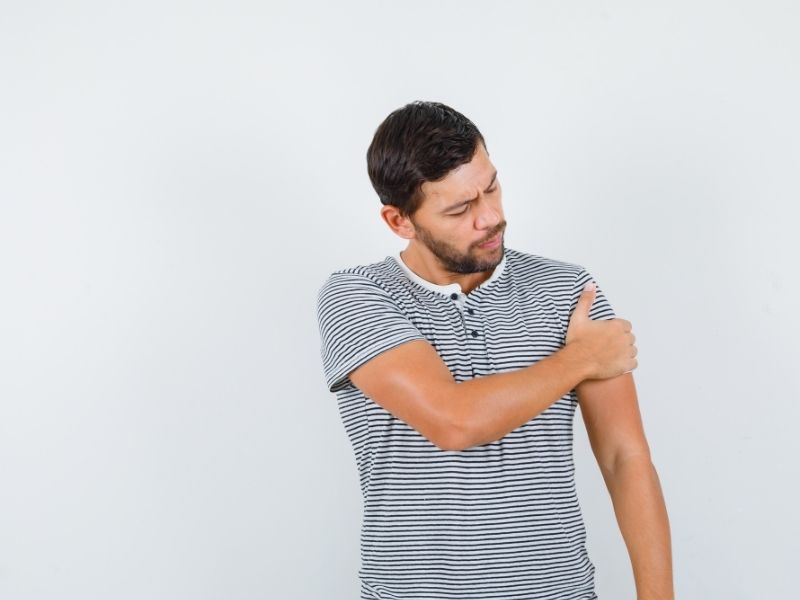
Information Note: Shoulder arthroscopy is not the first option for every shoulder pain. It is planned after orthopedic evaluation in cases of shoulder impingement, tendon tear, labrum tear, recurrent dislocation or mechanical problems inside the joint.
In Which Conditions Is Shoulder Arthroscopy Performed?
Shoulder arthroscopy surgery may be performed when structural problems inside the shoulder joint need to be treated with a minimally invasive method. It is especially evaluated in cases where complaints continue despite non-surgical methods such as medication, rest, exercise, physical therapy or injections.
Shoulder arthroscopy may be considered in the following conditions:
- Shoulder impingement
- Rotator cuff tear
- Labrum tear
- Recurrent shoulder dislocation
- Loose body in the shoulder joint
- Cartilage damage
- Increase in inflammatory tissue inside the shoulder
- Shoulder injuries related to sports trauma
Surgery is not mandatory in all of these conditions. The treatment plan is created by considering the degree of damage, loss of shoulder function, duration of pain, the person’s occupation, sports level and expectations in daily life.
Arthroscopic Treatment For Shoulder Impingement
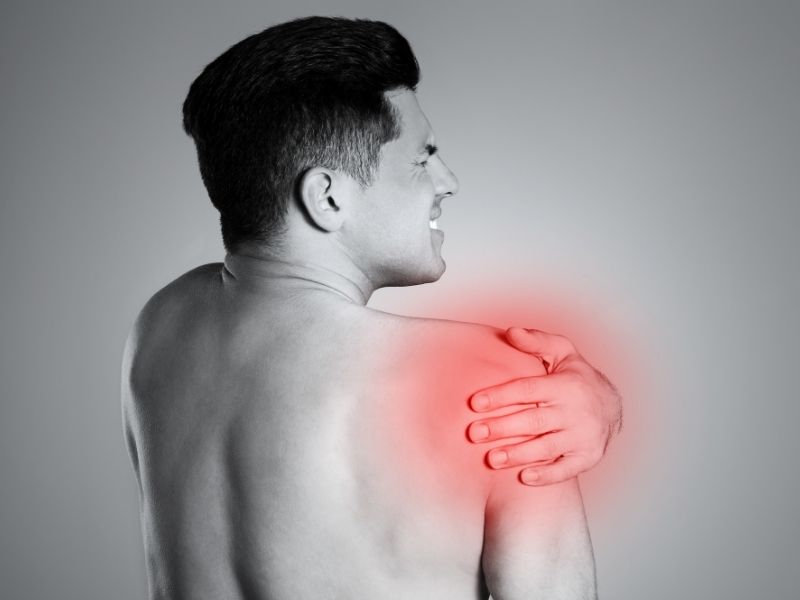
Shoulder impingement is a condition that can cause pain, catching and limitation of movement inside the shoulder when lifting the arm. When the tendons and soft tissues in the shoulder are compressed between bony structures, pain may become more noticeable, especially during movements in which the arm is raised above the head. Daily movements such as combing hair, taking items from shelves, getting dressed or lying on the side may become difficult.
If complaints continue despite non-surgical treatments, the tissues causing impingement can be evaluated with the arthroscopic method. In some patients, inflammatory tissues can be cleaned, bony prominences causing narrowing can be arranged or accompanying tendon problems can be treated in the same session. However, the surgical decision in shoulder impingement should be made not only according to pain but also according to shoulder movement capacity and imaging findings.
Shoulder Arthroscopy In Rotator Cuff Tear
A rotator cuff tear occurs when the muscle and tendon group around the shoulder is damaged. These structures play an important role in lifting the arm to the side and upward, balanced shoulder movement and joint stability. A tear may develop as a result of sudden trauma, falling, sports injury or wear that occurs over time.
In a rotator cuff tear, the person may have difficulty lifting the arm, experience night pain, feel weakness in the shoulder or describe sharp pain during certain movements. In arthroscopic treatment, the location and size of the tear and tendon quality are evaluated. In suitable tears, the tendon can be repaired onto the bone with special suture systems. In cases where the tear is very advanced, tendon quality is poor or advanced joint wear is present, different treatment options may be needed.
Arthroscopic Shoulder Surgery In Labrum Tear
A labrum tear is damage to the supportive tissue surrounding the socket of the shoulder joint. The labrum contributes to the stability of the shoulder joint. Sports injuries, falls, strain on the arm or recurrent shoulder dislocations can cause a labrum tear. Throwing sports, weight training and falls onto the shoulder can especially strain this structure.
Arthroscopic shoulder surgery can be used to evaluate labrum tears and repair them in suitable patients. Depending on the location and type of tear, the labrum can be fixed back to the tissue. After this procedure, shoulder protection, use of an arm sling and the physical therapy process are important. Early and uncontrolled movement may negatively affect the healing of the repair.
Arthroscopic Treatment In Recurrent Shoulder Dislocation
Recurrent shoulder dislocation is the condition in which the shoulder joint comes out of place more than once or feels as if it will dislocate. After the first dislocation, damage may develop in the connective tissues and labrum. If this damage does not heal, a feeling of insecurity in the shoulder, fear of dislocation during sudden movements and recurrent instability during sports may occur.
In arthroscopic treatment, labrum and connective tissue damage causing the dislocation can be evaluated. In suitable patients, the torn tissues are repaired to make the shoulder joint more stable. However, different surgical methods may be required in some people with significant bone loss or very frequent dislocations. Therefore, the treatment plan should be determined not only according to the number of dislocations but also according to the structural condition of the shoulder and imaging findings.
Arthroscopy In Shoulder Cartilage Damage And Loose Bodies Inside The Joint
Shoulder cartilage damage may develop due to wear on the joint surface, trauma or repeated strain. Cartilage damage can cause pain, catching, a friction sensation or limitation of movement in the shoulder. Small bone or cartilage fragments moving freely inside the shoulder joint may also create a catching sensation during movement.
During shoulder arthroscopy, intra-articular structures can be viewed directly. Loose bodies can be removed, cartilage surfaces can be evaluated and intra-articular arrangement can be performed in suitable cases. However, the expected benefit of arthroscopy may be limited in people with advanced joint wear. Therefore, the treatment decision in cartilage damage should be made by considering the extent of the damage and shoulder function.
How Is Shoulder Arthroscopy Performed?
Shoulder arthroscopy, also known as closed shoulder surgery, is performed by placing a camera and special surgical instruments into the shoulder joint through small incisions. During the procedure, the shoulder joint is viewed on a screen with the help of the camera. Thanks to the image obtained, the surgeon examines the problematic area inside the shoulder joint and performs the necessary treatment procedures.
During the surgery, fluid is given into the shoulder to expand the joint space. This allows the tissues to be seen more clearly and surgical instruments to move in a controlled way. The procedure varies according to shoulder impingement, tendon tear, labrum tear or dislocation repair. At the end of the procedure, the small incisions are closed and the shoulder is usually supported with an arm sling.
Preparation Process Before Shoulder Arthroscopy
Before shoulder arthroscopy, the person’s complaints, shoulder range of motion, muscle strength, location of pain and previously applied treatments are evaluated. The nature of the damage inside the shoulder is examined with MRI, X-ray or additional imaging if deemed necessary. Medications used, blood thinners, additional diseases and previous surgeries are important for surgical planning.
Expectations should be determined correctly before the surgery. Shoulder impingement, rotator cuff tear, labrum tear and recurrent dislocation can be evaluated under the same procedure title; however, postoperative recovery times and physical therapy needs are different. Therefore, the scope of the surgery and the recovery plan should be clarified beforehand.
How Many Minutes Does Shoulder Arthroscopy Take?
The duration of shoulder arthroscopy varies according to the procedure to be performed. While only intra-articular evaluation or limited tissue cleaning may take a shorter time, rotator cuff repair, labrum repair or dislocation surgery may take longer. Therefore, the exact duration is determined after the surgical plan is created.
The point that is as important as the duration of the surgery is the proper treatment of the damage in the shoulder. In some cases, a more extensive repair than expected may be required during arthroscopy. Therefore, the duration of the procedure may vary from person to person.
Recovery Process After Shoulder Arthroscopy
The recovery process after shoulder arthroscopy varies according to the type of surgical procedure performed, the degree of damage in the shoulder and the person’s general health condition. Shoulder movements may begin earlier after simple intra-articular cleaning, impingement relief or minor tissue arrangements. However, after rotator cuff repair, labrum repair or procedures involving connective tissues, the shoulder may need to be protected for a certain period. During this period, use of an arm sling, protection of the suture sites and avoiding sudden shoulder movements support the safe progress of the recovery process. In the first days, pain, swelling, tightness, bruising and limitation of movement may be seen in the shoulder. These complaints are generally related to postoperative tissue healing and decrease over time.

The shoulder arthroscopy recovery process is not completed only when the surgical incisions close. Regaining the range of motion of the shoulder joint, increasing muscle strength, reducing pain and returning safely to daily activities are gradual processes. Therefore, the exercise program, physical therapy practices and follow-up examinations are planned together in the postoperative period. In the early period, the aim is to protect the shoulder and reduce pain, while in the following weeks increasing range of motion and strengthening the muscles come to the forefront. Returning to desk work may be possible in a shorter time, while a longer recovery period may be required for heavy lifting, sports and activities that place load on the shoulder.
Use Of Arm Sling After Shoulder Arthroscopy
An arm sling may be used after shoulder arthroscopy to protect the repair in the shoulder and reduce pain in the early period. The duration of arm sling use varies according to the procedure performed. If only a limited procedure has been performed, the duration of use may be shorter; if tendon or labrum repair has been performed, an arm sling may be required for a longer period.
Using an arm sling does not mean that the shoulder will remain completely immobile. Hand, wrist and elbow movements may usually be recommended in the early period. However, when shoulder movements will begin and at which angle should be determined according to the surgical procedure performed. Therefore, the patient should not increase movement on their own and should follow the given program.
Physical Therapy And Exercise After Shoulder Arthroscopy
Physical therapy after shoulder arthroscopy is important for regaining shoulder range of motion and rebuilding muscle strength. Since the shoulder joint is prone to movement limitation, the physical therapy process should be carried out regularly. However, the exercise program is not the same for every patient.
In the first period, the aim is to protect the shoulder, reduce pain and provide controlled movement. In the later stages, the process can progress from passive movements to active movements and then to strengthening exercises. After rotator cuff repair, labrum repair or dislocation surgery, the timing of exercises is planned more carefully. Early and uncontrolled loading may strain the repaired tissues.
Returning To Work After Shoulder Arthroscopy
The time to return to work after shoulder arthroscopy varies according to the procedure performed and the person’s workload. People working at a desk may return to work in a shorter time, while a longer recovery process may be needed in jobs requiring arm strength. Especially in professions requiring heavy lifting, overhead work or repetitive arm movements, return should be planned gradually.
Reduced pain alone is not sufficient for returning to work. Shoulder range of motion, arm control, muscle strength and the healing process of the repair should be taken into account. Therefore, the decision to return to work should be made individually.
Returning To Sports After Shoulder Arthroscopy
Returning to sports after shoulder arthroscopy varies according to the type of surgery and the level of load the sport places on the shoulder. Swimming, tennis, volleyball, basketball, weight training and throwing sports place different levels of load on the shoulder joint. Therefore, returning to sports cannot be explained with a single time period.
For returning to sports, shoulder range of motion should be sufficient, muscle strength should recover, pain should be under control and the surgical repair should heal. Especially after rotator cuff repair and labrum repair, return to sports should progress more carefully. A rushed return may increase the risk of re-injury.
What Are The Risks Of Shoulder Arthroscopy?
Shoulder arthroscopy risks, as in every surgical procedure, cannot be completely eliminated. Infection, bleeding, clot formation, nerve or vessel involvement, shoulder stiffness, persistent pain, failure of the repaired tissue to heal or development of a re-tear may rarely be seen.
Proper patient selection, appropriate surgical planning, adherence to the postoperative protection process and physical therapy are important to reduce risks. After surgery, if fever, increasing redness, foul-smelling discharge, progressively increasing pain, numbness in the hand or significant loss of arm movement occurs, evaluation should not be delayed.
Who Is Not Suitable For Shoulder Arthroscopy?
Shoulder arthroscopy may not be suitable for every patient. In cases such as advanced shoulder joint wear, widespread cartilage loss, serious additional diseases, active infection or inability to comply with postoperative rehabilitation, the expected benefit from arthroscopy may be limited.
In addition, not every rotator cuff tear or shoulder impingement requires surgery. In some people, complaints can be controlled with exercise, medication, injections and lifestyle adjustments. Therefore, the decision for shoulder arthroscopy should be made after a detailed orthopedic evaluation.
Differences Between Shoulder Arthroscopy And Open Shoulder Surgery
Shoulder arthroscopy is a minimally invasive method performed with the help of a camera through small incisions. In open shoulder surgery, the surgical area is reached through a wider incision. Which method is appropriate is determined according to the type of problem in the shoulder and the surgical goal.
Comparative Information Area:
| Feature | Shoulder Arthroscopy | Open Shoulder Surgery |
|---|---|---|
| Surgical access | Small incisions | Wider incision |
| Visualization | Intra-articular image with camera | Direct surgical field |
| Area of use | Tendon, labrum, impingement and dislocation problems | More extensive structural interventions |
| Recovery | Varies according to the procedure performed | Varies according to the scope of the procedure |
In suitable patients, the arthroscopic method allows the procedure to be performed through smaller entry points. However, open surgery may be more appropriate for some shoulder problems. This decision should be made according to the nature of the damage in the shoulder.
Izmir Shoulder Arthroscopy Evaluation Process
The Izmir shoulder arthroscopy evaluation process begins by determining the cause of shoulder pain and the nature of the damage inside the joint. When the pain increases, whether there is night pain, difficulty lifting the arm, history of shoulder dislocation, sports injury and previously applied treatments are evaluated.
Examination findings are supported by imaging methods. If a rotator cuff tear, labrum tear, shoulder impingement or recurrent dislocation is detected, treatment options are planned according to the person. While physical therapy and non-surgical methods may be sufficient in some patients, arthroscopic treatment may be considered in others.
An Izmir orthopedic specialist evaluation is important in determining whether shoulder arthroscopy is suitable. In conditions such as shoulder pain, limitation of movement, recurrent dislocation or tendon tear, a detailed evaluation by an orthopedics and traumatology specialist forms the basis of the treatment plan.
Shoulder arthroscopy is one of the minimally invasive surgical methods that can be evaluated in shoulder impingement, rotator cuff tear, labrum tear, recurrent shoulder dislocation and mechanical problems inside the joint. Treatment success should be assessed not only with surgery but also together with proper patient selection, surgical planning, arm sling use, physical therapy and a controlled recovery process.
Frequently Asked Questions About Shoulder Arthroscopy
Is Shoulder Arthroscopy A Difficult Surgery?
Shoulder arthroscopy is a surgical procedure performed with a minimally invasive method. Its level of difficulty varies according to the condition of the tear, impingement or dislocation problem in the shoulder.
Is There Pain After Shoulder Arthroscopy?
Pain, tightness and limitation of movement may be seen in the first days after surgery. The duration of pain varies according to the procedure performed and the person’s recovery process.
When Are Stitches Removed After Shoulder Arthroscopy?
The time for stitch removal varies according to wound healing and the type of stitches used. The appropriate time is determined during the follow-up examination.
When Can I Take A Shower After Shoulder Arthroscopy?
Showering time is planned according to the condition of the wound sites and the doctor’s recommendation. Taking a shower too early without protecting the incisions may increase the risk of infection.
When Can The Arm Be Moved After Shoulder Arthroscopy?
Arm movements are started according to the surgical procedure performed. While early passive movement may be recommended in some patients, movements are planned more carefully after tendon or labrum repair.
Is Night Pain Normal After Shoulder Arthroscopy?
Night pain may be seen in the first weeks. If the pain gradually increases or there is a significant worsening in arm movements, a follow-up evaluation is needed.
When Can I Return To Work After Shoulder Arthroscopy?
Return to desk work may be possible earlier, while the period may be longer for jobs requiring arm strength. The decision to return to work is made according to the scope of the surgery performed.
Can A Tear Recur After Shoulder Arthroscopy?
The risk of re-tear varies according to the size of the tear, tissue quality, recovery process and adherence to rehabilitation. Uncontrolled loading may increase the risk.
Does Shoulder Arthroscopy Completely Resolve Shoulder Impingement?
In suitable patients with shoulder impingement, arthroscopy may help reduce complaints. The result depends on the degree of damage in the shoulder, muscle strength and the physical therapy process.
Is Physical Therapy Necessary After Shoulder Arthroscopy?
In many patients, physical therapy is important for regaining shoulder movement and muscle strength. It is planned more carefully, especially after tendon repair, labrum repair and dislocation surgery.